

Electric Vehicle Collision Repair Challenges: What Rivian & Tesla Owners Need to Know
Electric vehicles are becoming more common each year, and with that growth comes new realities for drivers when their EV is involved in an accident. Cars like those from Tesla and Rivian are packed with advanced technology, and while that’s part of what makes them great to drive, it also means repairing them can be very different from fixing a traditional gasoline-powered vehicle. Understanding what goes into EV collision repair can help you make smarter choices if you ever need post-accident service.
Here’s a look at the key things drivers should keep in mind.
What Makes EV Repairs Different
When an electric vehicle is in a crash, the first thing repair technicians must consider is the high-voltage battery system. EVs run on battery packs that operate at hundreds of volts, far more powerful than the 12-volt systems found in regular cars. Because of this, safety protocols for EV repairs are much more stringent. Technicians must safely disconnect and isolate the high-voltage system before touching other parts of the vehicle, and they use insulated tools and protective gear designed specifically for this kind of work. Training and experience in high-voltage safety are crucial because mistakes can lead to electric shock or other hazards if the system is not handled properly.
Another factor that makes EV repairs different is how extensively lightweight materials are used in their construction. While many modern vehicles incorporate aluminum and composites to reduce weight, electric vehicles often rely on these materials more heavily to offset battery weight and maximize driving range. While these materials have benefits, they don’t respond the same way to repair techniques used for steel frames and panels. Working with aluminum and composites requires special equipment and skills so that repairs restore strength and safety, not just appearance.
Structural and Electronic Complexity
Electric vehicles often integrate their battery packs into the structure of the car. This means that if the area around the battery is damaged in a crash, it’s not just the outer sheet metal that needs attention; it could affect the vehicle’s structural integrity and how it performs in future incidents. This deeper level of inspection and repair can add time to the process and requires technicians who understand EV design at a detailed level.
In addition to structural considerations, most modern EVs come equipped with a suite of advanced driver assistance systems (ADAS), including cameras, radar, and sensors that help with lane keeping, automatic braking, and more. After a collision, even if the damage seems minor, these systems often need recalibration or replacement to ensure they function correctly. Properly diagnosing and resetting these systems requires specialized diagnostic tools and training.
Parts availability can be another hurdle. Because EV technology is still relatively new, certain components may be harder to source and more expensive than parts for traditional cars. In some cases, this can extend repair timelines if parts must be ordered directly from the manufacturer, which is one reason EV repairs can take longer overall.
Why Choosing the Right Repair Shop Matters
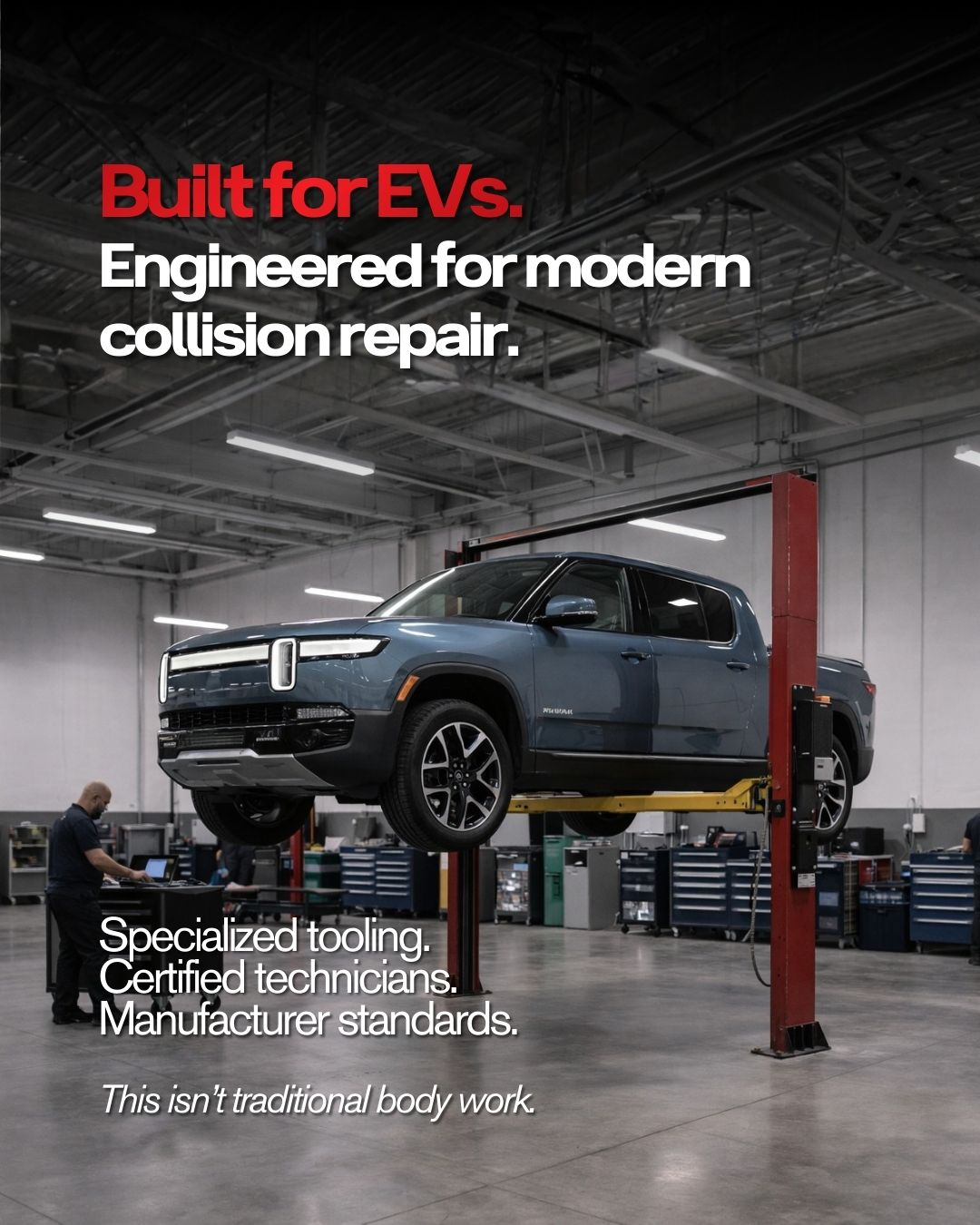
Electric vehicle repairs are not something every body shop is prepared to handle. Brands like Tesla and Rivian have detailed repair procedures, strict safety standards, and specific equipment requirements. Working on high-voltage systems and advanced structural materials is not something technicians can simply learn on the fly. It requires proper certification, hands-on training, and the right tools.
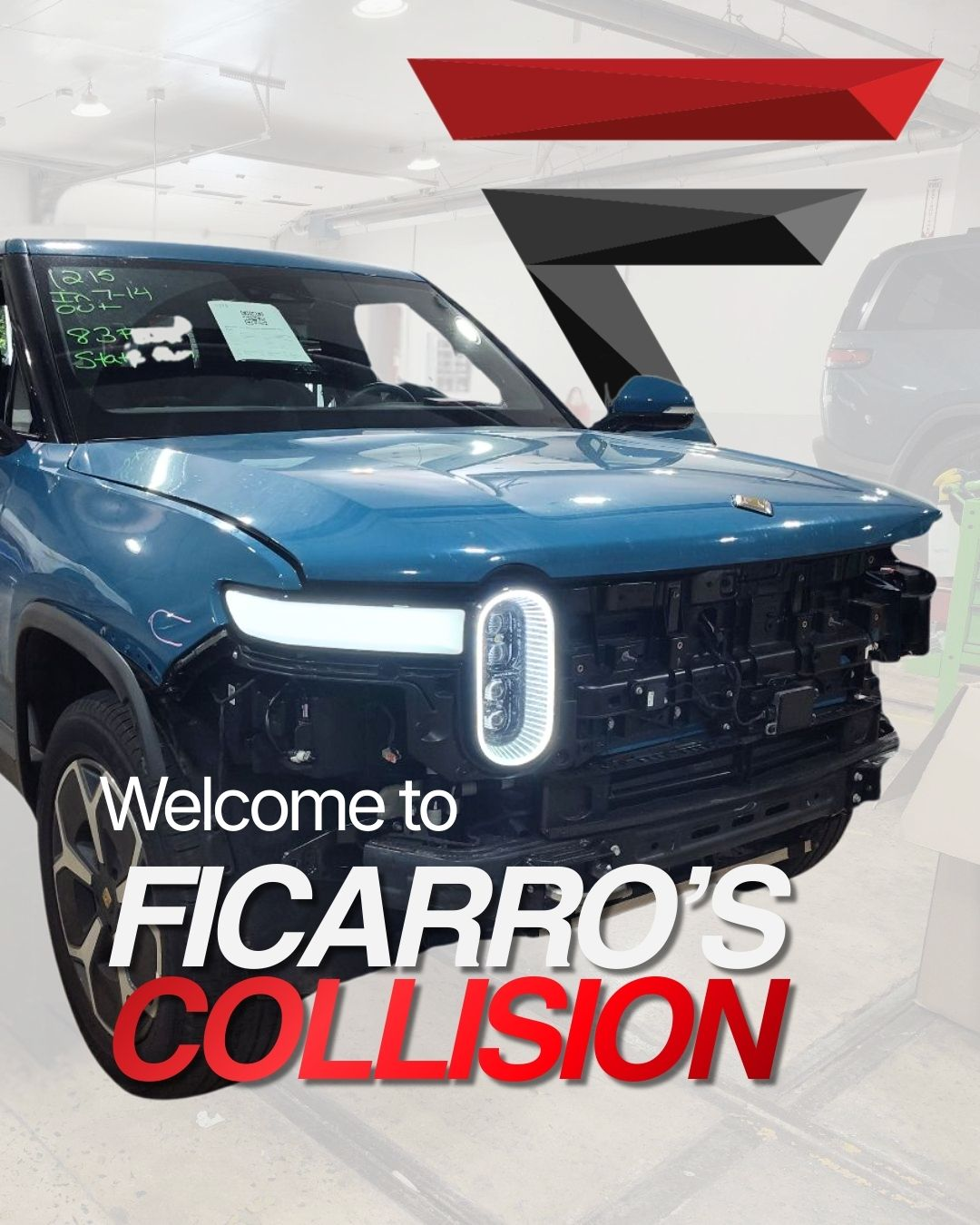
That’s where experience truly matters. At Ficarro’s Collision, we have invested several hundred thousand dollars into advanced equipment, specialized tools, and ongoing technician training specifically for electric vehicle repair. That investment allows us to properly disconnect and service high-voltage systems, work safely with aluminum-intensive structures, and handle the complex calibration of sensors and driver assistance systems after a collision.
Because EVs combine high-voltage components, lightweight structural materials, and sophisticated electronics, repairs must be approached with precision from start to finish. Choosing a shop like ours that has made a serious commitment to EV repair is not just about convenience. It is about safety, performance, and protecting your investment.
When Rivian and Tesla owners in our area need collision repair, they trust Ficarro’s Collision because we have put in the time, training, and resources to do the job correctly. We are not learning as we go. We are equipped and prepared to restore your vehicle to manufacturer standards.
Another factor to consider is cost. Repairing or replacing EV components, especially battery-related parts, can be far more expensive than similar work on a gasoline vehicle. Some owners find that extensive battery damage results in their insurance company declaring the vehicle a total loss, rather than investing in repairs. Being at a shop that understands these realities and can help you navigate insurance discussions can make a big difference.
Owning an electric vehicle is exciting, but it also means adjusting your expectations when it comes to collision repair. The combination of high-voltage systems, advanced materials, and sophisticated electronics creates a set of challenges that require specialized attention. Whether it’s high-voltage safety, sensor recalibration, or structural work, the right repair team can make all the difference.
When you want reliable and knowledgeable care for your electric vehicle after a crash, consider Ficarro’s Collision as your go-to collision repair shop. Our technicians are equipped to handle the unique needs of EVs with care and precision, helping you get back on the road safely. Contact us or schedule an appointment today to make sure your vehicle gets the service it deserves.
Blogs